Project-based
curriculum

Mt Hobson Academy provides a rich, thematic Project-Based Curriculum for Year 1-8 Teacher-Led learners and Year 1-10 Parent-Led learners. Project-based learning is a teaching method in which students gain knowledge and skills by working for an extended period of time to investigate and respond to an authentic, engaging, and complex question, problem, or challenge.

  • Full coverage of all curriculum areas based on the New Zealand Curriculum content and best practise principles
  • comprehensive coverage, yet room for innovation and depth
  • Rich thematic units that develop understandings, knowledge, skills and support application
  • Deliberately designed to encourage agency, independence, curiosity, and application
  • Provides the context for future skills and capabilities development I've updated the projects

Year 1-2 Projects

Ages 5 to 6 | Play-based, sensory, gentle, and full of wonder. New for 2026.

These eight projects are brand new in 2026. They start where every child starts: with themselves and the world they can touch. Each is play-based and sensory-rich, with 10 short tasks across the seven New Zealand
Curriculum areas.

All About Me
Your child's body, senses, feelings, and whānau become the starting point for every kind of learning.

Our Senses

Sight, sound, touch, taste, and smell. Hands-on experiments and slow noticing become a habit of mind.

Light and Shadow

Day and night, shadows, reflections, and colour open up early physics through play.

Water

States of matter, floating and sinking, the water cycle. Concrete science foundations learned at the kitchen sink.

Growing Things

Planting seeds, watching growth, finding out where food comes from. The living world through direct experience.

Animals and Their Babies

Life cycles, habitats, animal families. Biology built through care and curiosity.

Sounds All Around

Environmental sounds, instruments, rhythm, and pattern. Expression through music and making.

Helpers and Heroes

Community helpers, role play, empathy, contribution. Self-to-community bridge built one kind action at a time.

Year 3-4 Projects

Ages 7 to 8 | Curious, capable, building independence.

These projects are adapted from our long-running Y1-4 programme, now properly pitched for 7 and 8 year
olds. Each runs over five weeks across all seven New Zealand Curriculum areas, with AI Connection tasks and
Suggested Supplementary Activities under every subject.

Our Place in the World
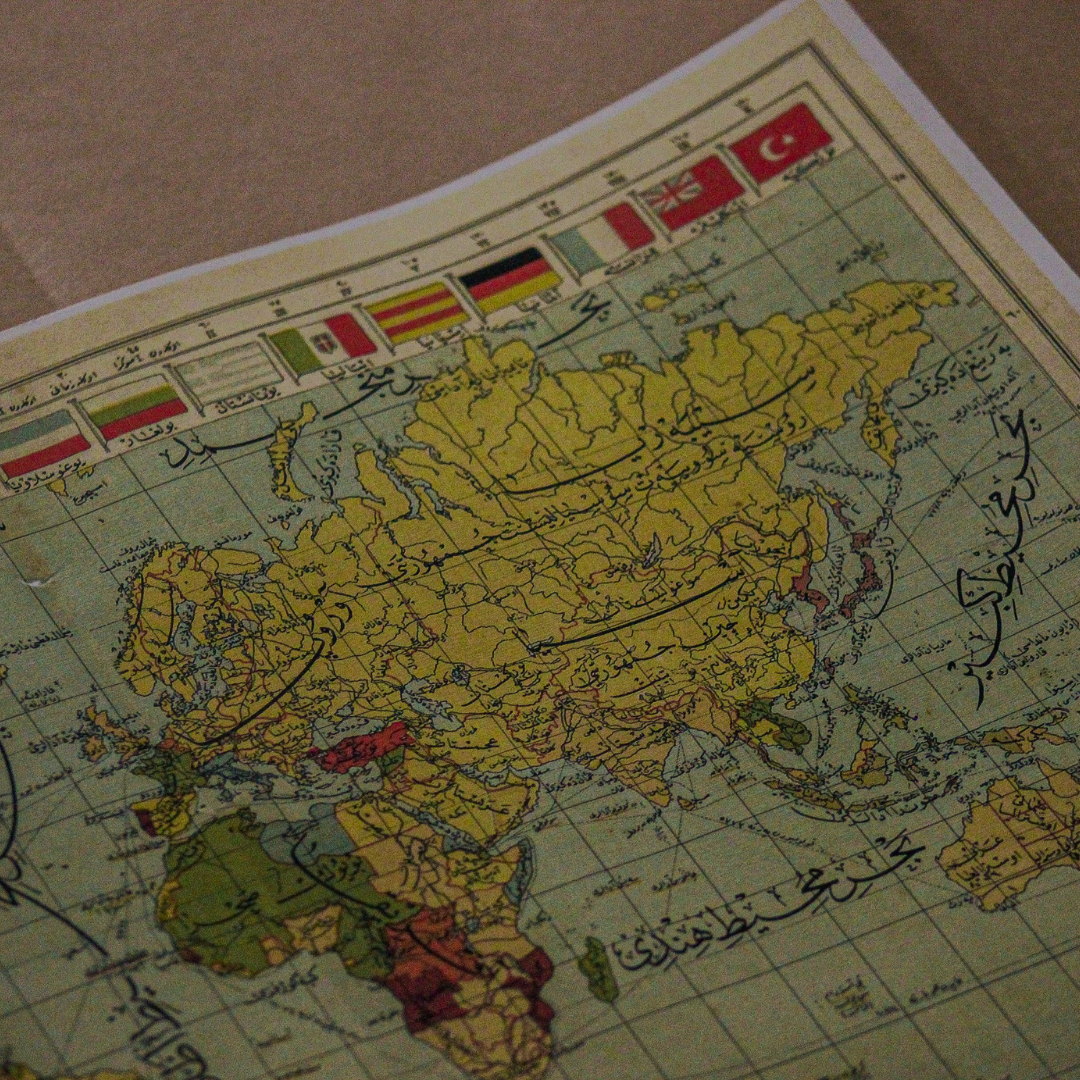
Local place anchored to a wider world. Map your neighbourhood, then find out how it connects.

Stories From Everywhere

Storytelling traditions from across the globe, not just European fairytales.

How Animals Talk

Animal communication, signal, song, and dance. New science meets old wonder.

The Tiny World Beneath Our Feet

Soil, compost, microbes, and the living systems we walk on every day.

Making and Telling

Storytelling across modes: picture books, podcasts, animation, and digital storytelling.

Build It, Break It, Fix It

Hands-on engineering and iteration. Bridges, ramps, crash tests, and learning by getting it wrong first.

Who We Are

Identity, family, belonging, and community as a project of inquiry.

Guardians of our environment

Conservation and stewardship, anchored locally and framed globally.

Year 5-6 Projects

Ages 9 to 11 | Inquiry deepens, independence grows.

Refreshed for 2026. Themes step up from local context to global inquiry, with hands-on engineering, codes
and cryptography, microbiology, sound design, space exploration, changemakers, and an honest look at
extinction and survival.

Design, Engineer, Solve
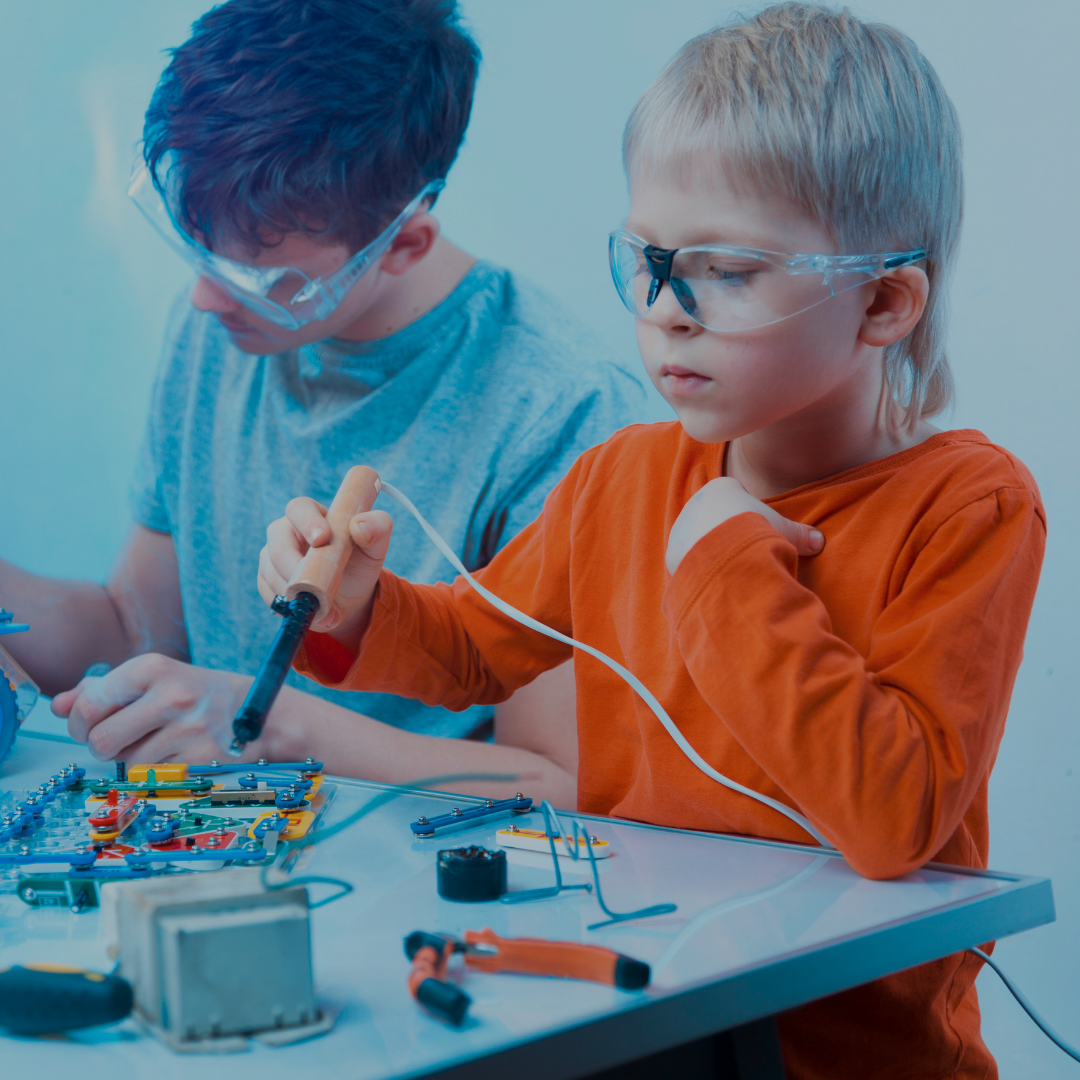
Engineering and sustainable design through real-world problem solving. Iterate, prototype, iterate again.

Myths That Made Us

Origin stories and identity across cultures. What stories did we tell, and why do they still shape us?

Codes, Signs, and Secret Messages

Cryptography, sign language, braille, binary, and emoji. Communication systems decoded.

The Invisible World

Microbiology with a modern twist: gut health, antibiotic resistance, fermentation, and the microbes we live with.

Sound and Story

Music as one of many ways to tell a story. Podcasting, soundscapes, and film scores included.

What Lies Beyond

Space, the deep ocean, and the frontiers humans are pushing now.

One Person Can

Modern changemakers and what their small first steps tell us about agency.

When the World Changed

Extinction and survival, reframed for the biodiversity crisis of today.

Year 7 Projects

Ages 11 to 12 | Disciplinary thinking takes shape.

Year 7 is the year of disciplinary thinking. Each project asks the learner to engage with one big question
across all seven curriculum areas, from the built environment to the politics of place.

Spaces we live in
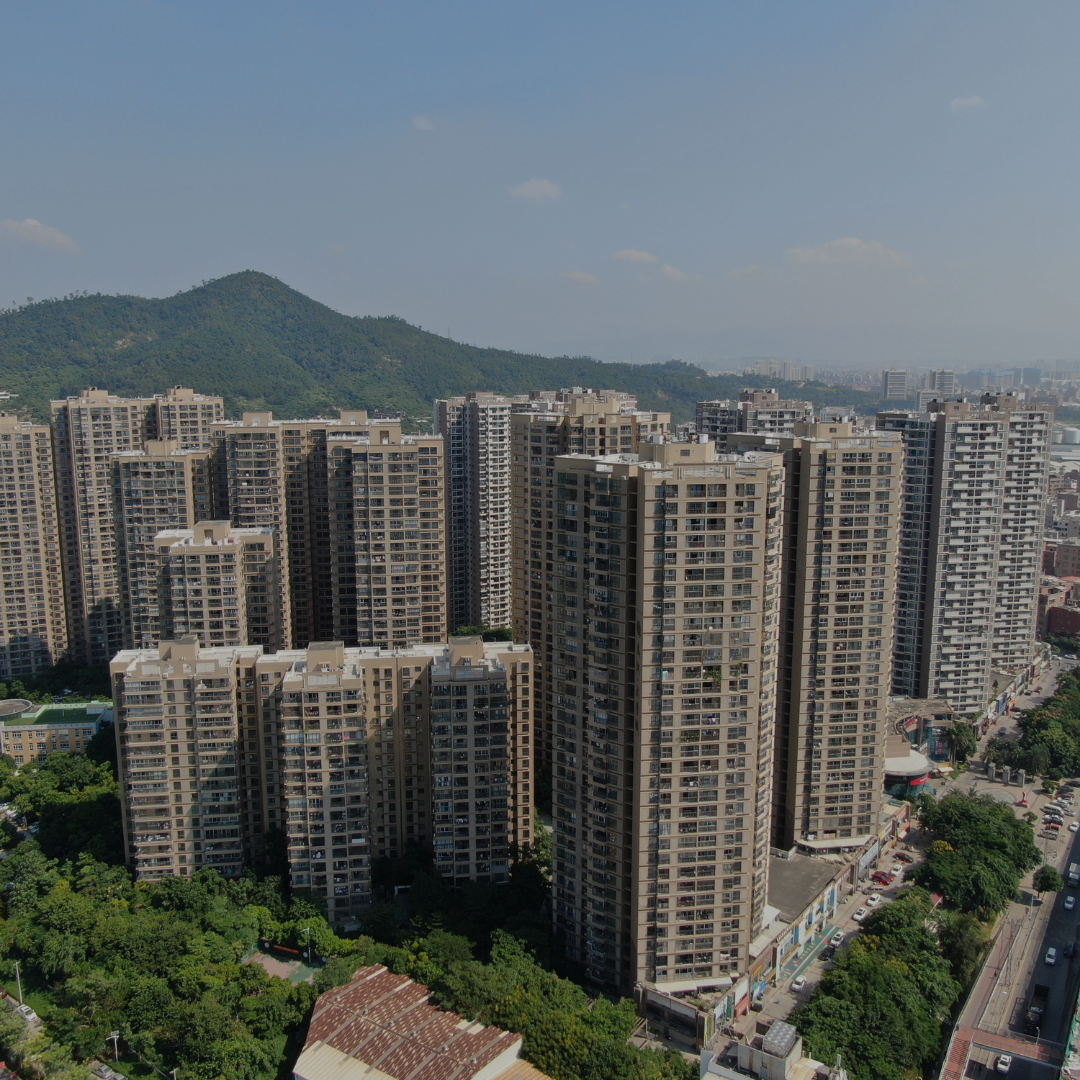
Urban design, housing, sustainable buildings, and community spaces. How does where we live shape who we are?

Words That Changed the World

Speeches, essays, novels, graphic novels, and the writing that shifted history.

Language and Identity

How language shapes who you are. Multilingualism, code-switching, and the languages we inherit

Feeding the Future

Food systems, food security, vertical farming, and traditional plant knowledge.

Art That Broke the Rules

Art as disruption and innovation, from the avant-garde to AI-generated imagery.

Ideas That Built the Modern World

Every historical invention has a modern equivalent. Trace the line.

Places and Peoples

Geography, migration, and identity, with Aotearoa as the anchor and the world as the canvas.

life on the edge

Biodiversity crisis at a global scale, with Aotearoa as a case study.

Year 8 Projects

Ages 12 to 13 | Complex systems, sustained inquiry.

Year 8 deepens disciplinary learning. Projects move into complex systems, abstract concepts, and sustained
inquiry, including the most important of all: what makes us human.

What Makes Us Human?

Identity, consciousness, emotion, culture. Science meets philosophy.

Voice and Verse

Slam poetry, rap, spoken word, memoir, and protest writing.

The Body Speaks

Dance, martial arts, theatre, sport, and gesture as forms of communication.

Under the Skin

Body systems through the lens of health literacy. Nutrition, sleep, mental health, and movement

Empires and Echoes

What did ancient societies know that we have forgotten?

Screen Life: Technology and Us

Social media, AI, surveillance, digital rights, and the identity we build online.

The Ocean: Life, Climate, Culture

Marine science, climate data, and the Pacific story all in one inquiry.

Breakthroughs

CRISPR, mRNA, gravitational waves, AI. The science that changed everything, freshly told.

Year 9 Projects

Ages 13 to 14 | Independence, depth, and reach.

Year 9 is the year of reach. Projects expand outward: human frontiers, NZ literature, Pacific cultures, war and
conscience, archaeology, and the future we are making.

Frontiers

All the human frontiers at once: space, ocean, Arctic, and the brain.

Stories That Define Us

How do communities tell their stories? National literature, broadly drawn.

Cultures of the Pacific

Pacific identity, innovation, and leadership alongside history.

Conflict and Conscience

Moral choices in conflict, peacekeeping, and cyber warfare.

Buried Stories

Forensic science, indigenous rights, and who owns the past.

The World We Are Making

Sustainability, the circular economy, fast fashion, and e-waste.

Deep Dive: A History of Your Choosing

Open inquiry into a people, country, or time the learner wants to understand.

Movement, Mind, and Performance

Sports psychology, ethics, and the business of sport.

Year 10 Projects

Ages 14 to 15 | The capstone year before NCEA.

Year 10 sharpens every inquiry to a question. Each project asks the learner to take a position, evaluate
evidence, and produce work that shows real depth.

Data, Truth, and Power

Statistics, misinformation, algorithmic bias, and data sovereignty.

Shakespeare: Still Dangerous

Why were these plays banned and feared? Read the texts in their full power.

Language, Identity, and Belonging

Code-switching, language loss, and language revival.

The Chemistry of Everything

Cooking, medicine, climate, forensics. Chemistry where you live it.

Image and Influence

All visual media, including AI-generated imagery, considered together.

Enterprise and Ethics

Social enterprise, ethical business, and profit versus purpose.

Justice and Power

Who makes the laws, who do they protect, who do they fail?

Systems and Automation

Robotics, AI, automation, and the future of work.